A Single Theme or a Varied Set? Two Ways to Shape a Programme
Choose a themed or varied concert programme with a clear through-line, practical selection questions and a sample sequence suited to a rural audience.
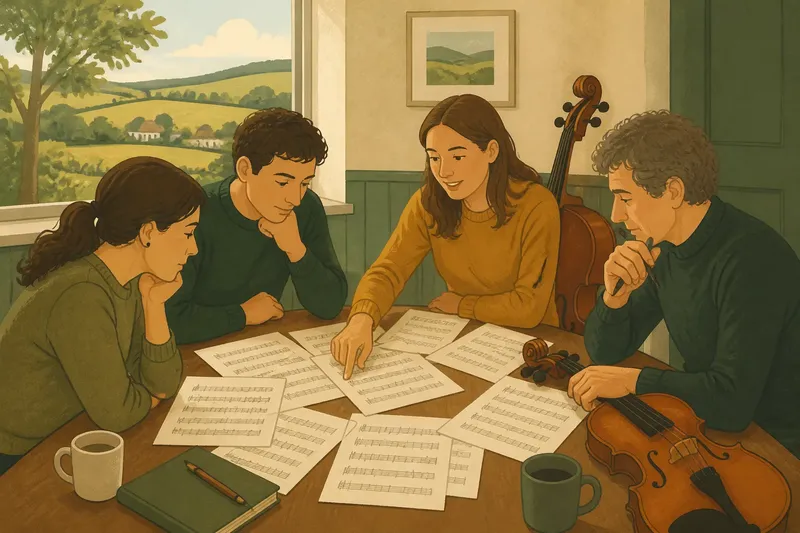
When you spread a pile of scores across the kitchen table, the concert programme can seem to be choosing itself: one piece leads naturally to another, while a lively contrast keeps catching your eye. A themed concert programme gives the audience one idea to follow; a varied set lets contrast do the connecting. Decide which kind of attention you want to invite, then build the order around it.
What should the audience carry home?
Begin with the experience you hope listeners will remember, not with a title for the event. Do you want them to notice how composers respond to a shared subject, or to enjoy the changes of pace, mood and sound from one piece to the next? Both approaches can make a coherent evening. They simply ask the audience to listen for different kinds of connection.
A theme might be a place, a season, a literary image, a musical form or a question such as how people express farewell. It needs enough range to support distinct pieces, but it should not require a long explanation before anyone can enjoy the music. A varied set can have no subject beyond the pleasure of encountering different sounds and characters. Its shape comes from contrast and sequence.
Write your intended audience experience in one plain sentence. For example: “We want listeners to hear how a sense of home can sound intimate, restless and celebratory.” That sentence can guide choices without forcing every piece to make the same point.
How do you choose the through-line?
For a themed programme, treat the theme as a thread, not a cage. List possible works, then ask what each contributes: does it deepen the idea, complicate it, or offer a welcome change of perspective? If a piece only fits after a strained explanation, it may not belong. A clear theme becomes stronger when the music can carry it without a speech doing all the work.
For a varied set, identify contrasts you can hear and programme deliberately: solo against ensemble, stillness against motion, familiar musical language against something less expected. Variety does not mean collecting unrelated favourites at random. Give each transition a reason, even if that reason is simply that a quiet piece makes room for a spirited one.
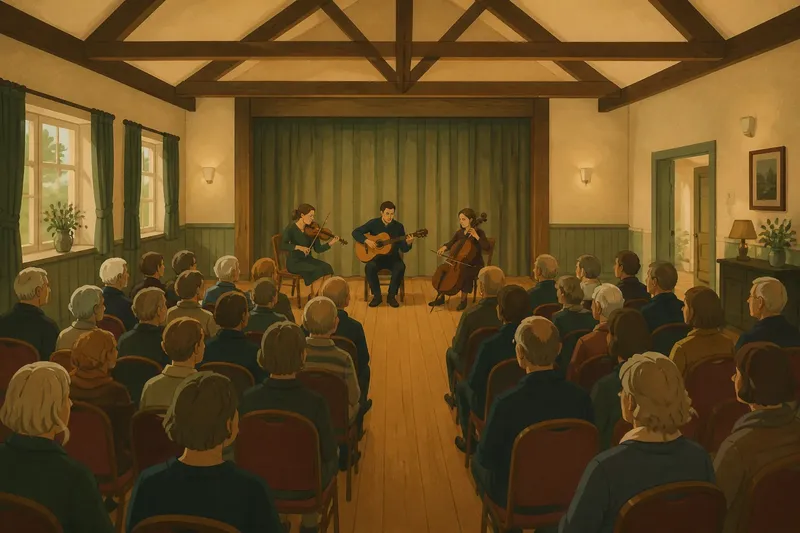
Say you are planning a village hall concert with a small string group and a singer. You might choose a theme of journeys, with songs and instrumental pieces suggesting departure, distance and return. If the available works do not make those stages audible, you could instead shape a varied set that moves between song, dance-like writing and reflective instrumental music. The expected result is a programme whose order has a discernible purpose, without asking every item to serve an unsuitable theme.
Which format suits your material?
Before fixing the concept, check the music you can actually perform. Consider instrumentation, vocal range, rehearsal demands, available parts and the abilities of the players. A compelling theme is not useful if it leaves you with a thin choice of suitable works. Equally, a varied programme needs enough difference in character to avoid sounding like a single long stretch of similar music.
- Choose a theme when several strong pieces connect naturally and the connection will interest listeners as well as organisers.
- Choose variety when your best available pieces offer distinct characters but do not gather convincingly under one subject.
- Choose a light framing idea when a shared mood or image can link the evening without requiring every work to illustrate it.
Think about the performers, too. A programme that asks the same musician to sing or play continuously may need a different order from one that allows changes of forces and short pauses. The practical limits of the group should shape the concept early, rather than appearing as a problem after the programme has been announced.
How should you order the pieces?
Once you have a shortlist, make a rough sequence and read it aloud alongside the titles. Notice where the energy rises, where the sound changes and where a transition feels abrupt. You are not looking for an unbroken mood. You are checking that each shift seems intentional and that the audience has a way to follow it.
In a themed concert, an order can trace a path through the subject. A programme about a place might move from arrival to daily life to departure, if the music supports that arc. A varied set may begin with something welcoming, place a more concentrated work where listeners can settle into it, and close with a piece that leaves a clear impression. These are options, not formulas: the pieces themselves should determine the final order.
Make a second sequence that starts with a different work. Comparing the two can reveal whether your preferred opening is genuinely useful or simply the piece you chose first. Keep transitions in mind, including changes of performer, instrument or stage arrangement, so that the sequence works both musically and in the room.
What should the programme notes explain?
Give listeners a small amount of context that helps them hear a connection. For a themed set, say what prompted the theme and point to one or two audible relationships. For a varied set, offer brief descriptions that help distinguish the pieces without pretending they share a single story. A note should open a listening possibility, not tell the audience what it must feel.
Use plain language and keep each introduction close to the music. If a work has a particular form or uses an unusual combination of instruments, mention that only when it gives listeners something concrete to notice. Avoid making the themed option sound more thoughtful than the varied one; both can be carefully made, and neither needs a grand explanation.
Which programme shape fits your concert?
Does a theme mean every piece must match?
No. A theme is a useful thread, not a rule that every work must illustrate literally. A contrasting piece can sharpen the programme if its place and purpose are clear.
Can a varied set still feel coherent?
Yes. Sequence pieces by audible qualities such as pace, texture, ensemble size or mood, and make transitions purposeful. Listeners can enjoy a strong contrast without needing a shared subject.
What if the theme feels forced?
Set it aside or make it less restrictive. A broad idea that genuinely connects several works is more convincing than a narrow subject that needs elaborate explanations to hold the programme together.
How can organisers make the choice?
Ask: “Will listeners gain more from following one idea, or from noticing the contrasts between these pieces?” If a theme adds meaning without constraining the music, use it; if contrast is the real pleasure, programme the variety openly.
How do you make the final choice?
Put the shortlist, the intended audience experience and the draft order side by side. Remove any piece that weakens the through-line you have chosen, while staying alert to the difference between a useful contrast and a merely convenient inclusion. Then ask a fellow organiser who has not been involved in selection to describe what they think connects the sequence. Their answer can show whether the programme’s shape is audible or exists only in your notes.
Check titles, composer names, performers and any practical details against the scores and the relevant instructions before printing. If the programme depends on a theme, make its wording specific enough to guide attention but open enough to leave room for listeners’ own responses. If it is varied, describe the range honestly rather than inventing a narrative.
For a rural concert, the best choice is the one that fits the musicians, the available repertoire and the kind of attention you want to invite. A single theme can make relationships easier to hear; a varied set can make difference itself the pleasure. Keep that decision visible as you programme, and the order will feel considered rather than assembled.